Use a fireplace screen or glass doors to prevent sparks from escaping. Keep flammable materials away from the fireplace, and use a fire-resistant rug in front of it. Never leave the fire unattended, and extinguish it fully or close your doors and dampers before going to bed.
Gas fireplace installation should be performed by a qualified professional who is knowledgeable about local codes and regulations. Improper installation can lead to safety hazards and void warranties.We’ve installed thousands of gas fireplaces over the years.
You should, of course, remove ash on your own, but let professionals handle cleaning, inspections, and repairs.
Consider a fireplace insert or adding airtight doors to reduce heat loss. Properly sealing any gaps or cracks in the fireplace and chimney can also help prevent drafts and improve efficiency.
https://youtu.be/7qYJ_JC5dLI
Your fireplace may need repair or maintenance if you have difficulty lighting or keeping a fire, a lot of smoke, weird or unpleasant odors, cracked or deteriorating masonry, or hear unusual sounds. If you notice any of these, stop using your fireplace and contact us immediately.
https://youtu.be/_0w6GXQpHKM
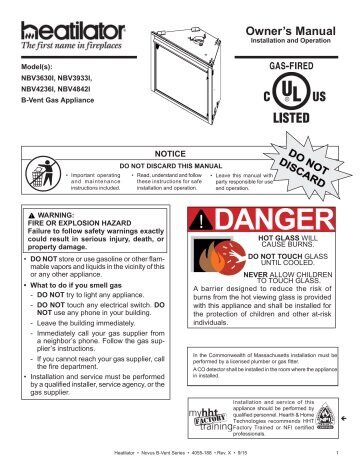
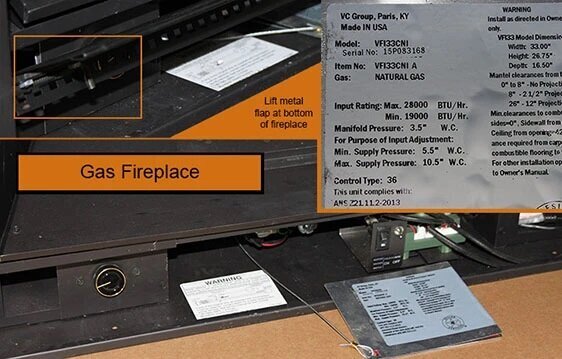
Follow the manufacturer’s instructions for safe operation of your gas fireplace. Ensure proper ventilation, keep flammable materials away from the fireplace, and use a carbon monoxide detector. Learn how to shut off your gas in case of gas leaks or other emergencies.
https://youtu.be/-qG6TMXxoIM
https://youtu.be/_-8dY8tUGhw
Removing creosote is best left to professionals. Creosote-burning logs are marketed as a solution for reducing or removing creosote, but not recommended as a substitute for professional chimney cleaning and maintenance.
https://youtu.be/vdt-75FQovQ
Draft or airflow issues in a fireplace can be caused by issues such as chimney blockages or improperly functioning dampers. If we installed your fireplace, contact us immediately if you have drafts or airflow problems.
https://youtu.be/a3HE2bLkakk
https://youtu.be/pLcDLEOymnc
Have your fireplace and chimney professionally cleaned at least once a year, especially if you use it frequently. However, it’s a good practice to check for creosote buildup regularly and clean it if necessary.
Keep firewood in a dry and well-ventilated area, away from your home and off the ground to prevent moisture absorption. Properly seasoned firewood, typically dried for at least six months, will burn more efficiently and produce less smoke and creosote.
https://youtu.be/Rr-hJaAM5w8
Watch out for difficulty igniting the pilot light, weak or inconsistent flames, strange odors, or carbon monoxide alarms. If you notice any of these signs, immediately turn off the gas supply and contact us.
Removing ashes, debris, and soot. Use a fireplace shovel or brush to carefully scoop out the ashes and dispose of them in a metal container. For the chimney, hire a professional chimney sweep to remove creosote and check your flue or chimney for damage.
Seasoned hardwoods like oak, maple, or birch are recommended as they burn cleaner and produce more heat. Avoid green or softwoods as they can create excess creosote and decrease efficiency.